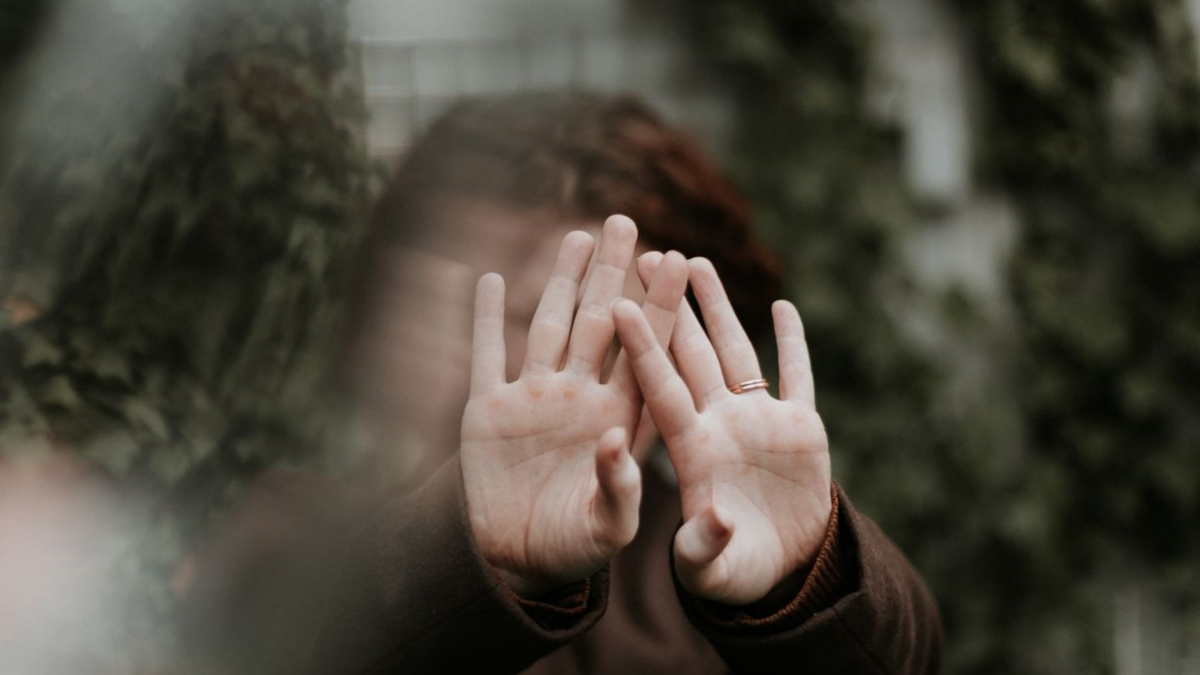
What should academics do when they receive negative replies, go viral, or get trolled online? Jennifer van Alstyne keeps this article updated with resources and advice for faculty and researchers for when things go wrong online.
Have you worried about your social media post going viral (in the wrong way)? A common anxiety academics have about social media is that someone will have have a strong negative reaction to something you share. You might worry, “I don’t want to go viral in the wrong way.” The extreme version of that fear is: What happens if your social media post becomes front page news?
It’s even worse for professors and academics in 2025. You may be feeling scared or anxious. You’re not alone. Let’s talk about social media for academics for when things go wrong.
Updated on September 19, 2025:
The American Association of University Professors (AAUP) issued new guidance for social media on September 17, 2025. Download their Strategies to Protect Yourself Online in the Current Climate (PDF).
“In a moment when it is becoming increasingly difficult to predict the consequences of our online speech and choices, we hope you will find these strategies and resources helpful.”
“A growing list of colleges have fired and suspended employees for online speech about Kirk’s death that leaders deemed inappropriate.”
An update from the Daily Briefing on September 16, 2025 from Rick Seltzer and The Chronicle of Higher Education, a subscriber only newsletter.
As of the morning of September 19, 2025, the count is 24 faculty, 13 staff, and 3 students who have been “who have been fired, suspended, expelled, or disciplined in some way.” The Chronicle is tracking punishments for freedom of expression in this article by Ellie Davis, Gavin Escott, and Claire Murphy. The article has a map and searchable table for you there.
I originally drafted this post back in 2020 specifically about Twitter (X). I’m updating it now for you because I know that faculty and researchers around the world are worried. And to be honest? There’s reason to worry for professors in the United States in 2025. In a political era of calls for ‘reporting your colleagues’ for diversity, equity, and inclusion I want to be upfront that what you share on social media (or in person for that matter) may be used against you.
On social media, a post with high engagement has the possibility of going viral. You don’t need a big audience on social media to reach thousands of people. Professors have woken up to find they’ve reached a shocking number of people in both good and bad ways.
Social media posts that go viral might end up in the news. That can be great, if you’re sharing a resource or starting a conversation. Viral social media posts for academics sometimes happen when people are celebrating good news with you. Professors have gone viral for being compassionate. Graduate students can go viral talking about their research interests. And also when celebrating completion of their PhD.
Get the right combination of people who care + people who can relate when seeing your post for the 1st time, and any post has the potential to go viral. Posts from academic social media accounts under 200 followers have gone viral nationally. And accounts with small followings go viral among academics all the time.
Going viral can be unnerving. When you realize your words are being seen by thousands in real-time, that people are reacting as you post…If you’re writing a thread, your social media post may go viral before you’re done with your last thoughts.
“By the end of the day it was clearly something far beyond anything I’d ever done online and you know, approaching over a million kind of viral interactions.” Read my interview with Dr. Walter D. Greason’s viral tweet that was translated into 7 languages.
On The Social Academic, professors were strong to openly talk about their negative experiences online. Check out their interviews.
Social media posts from academics that end up reaching a lot of people can go wrong as well. And that’s what I’m diving into today. I don’t want to scare you. Most negative reactions aren’t that bad. Some, like unfollow and mute are passive, and more about what that person wants to see daily. So, lets talk about when social media goes wrong for academics, and what you can do if you experience negative reactions on social media yourself.
In this article
Negative reactions on social media for academics
When I first joined Twitter, I was scared I was going to say the wrong thing. I was a graduate student. And, I was on the professional writing team for my academic department. So I felt a responsibility to represent my school even if it wasn’t formalized. I started The Academic Designer LLC back in 2018 right out of graduate school. Since then, I’ve helped professors, researchers, and graduate students around the world get confident when showing up online.
Many people express worry about what they do or say as an academic online. You want to “keep it professional” but also share your research. For some professors (especially those of you who research sensitive topics), posting on social media doesn’t feel safe. Even when you want to share your research because you know how it will help people, you stay silent. I understand that. I’m the first person to share with people that you don’t have to be on social media as an academic. There are other ways to have a strong online presence.
But the fear is real. And I experienced some of that myself when it comes to wanting to stay hidden on social media, especially being a survivor of domestic violence.
Back then, my fears were…light. This negative reaction story isn’t about something dangerous to my safety, but it was still meaningful to me. I’m a poet. Back in 2018, no one used the hashtag #PoetryTwitter. The 5th complaint about a lack of poetry community on Twitter that month appeared on my feed. It was from a well-published poet who had quite a community themselves. But I wasn’t surprised, because it’s a complaint I see often, that, “All the poetry hashtags are filled with bad poetry, where’s the conversation?”
I had just finished a bunch of social media training and was like: Lighbulb moment! I have the solution. I’ve solved the problem about lack of poetry community on Twitter. They just need a hashtag! One that’s for events, readings, announcements, and community.
#PoetryTwitter would have solved all those problems. At the time, it was completely inactive, like 1-2 posts/month. But when I tweeted about it, people did not want a solution.
I had tagged a few people I’d seen talking about this before.
One really did not want their day interrupted. It didn’t even matter that some people who saw my tweet thought the hashtag was a good idea. I got a negative backlash from a poet I had really respected, read quite a bit of, and that was it for me. I deleted the tweet. And never tried to build poetry community on social media again.
Did I take that negative reaction personally? Yeah, for sure, haha. It was a negative reaction to something I thought quite a bit about. I felt like I was trying to help a larger group of people. I only tagged people who I knew were interested in this particular topic. So, I was disappointed. A negative reaction to something you share can actually affect you deeply.
When I think back about reasons I deleted the tweet, I realize it’s because I didn’t want to keep being disappointed.
A couple years later when I went viral with thousands of negative reactions from the academic community, it really affected me. Hear about my experience going viral on Cheryl Lau’s podcast.
If you’ve found this post because you’re going through a scary situation right now, there are things you can do to have agency in what comes next.
A LinkedIn post from September 23, 2025:
Subscribe to The Social Academic blog.
The form above subscribes you to new posts published on The Social Academic blog.
Want emails from Jennifer on building your online presence? Subscribe to her email list.
Looking for the podcast? Subscribe on Spotify.
Prefer to watch videos? Subscribe on YouTube.
Here are some of the negative reactions you might experience on social media
I’m writing these tips in case you have to use them one day. I hope you don’t have to deal with trolls or harassment on social media, but bookmark this page just in case. You may be familiar with these social media actions people may take when responding negatively:
- Unfollow
- Mute
- Block
- Report
Some people choose to respond more directly. Their negative reaction might look like a
- Repost with a quote
- Reply to your post in a negative way
Some negative reactions involve sharing your social media post with a larger or external audience
- Share via DM
- Screenshot (+ share)
- Reporting to employer
- Creating videos about you
- Writing articles or media mentions about you
- Contacting you through email
- Stalking (digital and in person)
Unfollow, Mute, Block, and Report
The most common reaction to something you share is one you may not notice. If someone doesn’t like your post a lot, they’ll unfollow you. When someone unfollows you, it doesn’t necessarily mean they don’t like you. It means they don’t want to see the content you share in their home feed. I like celebrities I don’t follow because I just don’t care about their social media posts. They don’t share content I’m interested in seeing, and that’s okay. While we can think of an unfollow as a negative reaction, it’s often one not to take it personally.
Another option people take is the mute feature. It allows you to remain following someone, but not have to see them in your feed. The nice thing about the mute feature is that you can use it for accounts you don’t follow. Let’s say there is someone in your field who is just prolific on social media. Their posts are appearing on your feed all the time even though you don’t follow them. Well, you might choose to mute their posts, so they’re not appearing all the time.
If you’re dealing with someone harassing you, the mute feature is a good option. But you may also choose to block them. Blocking someone on social media will prevent them from seeing or interacting with your posts. And from seeing what you share from the account that they blocked. When you block an account, they will be able to tell they’ve been blocked. So sometimes, using mute can be better.
I had to block someone I went to grad school with because they attacked their personal audience on social media. I had a negative reaction to what they shared. When I called them out on it, they would not stop messaging me. Sure, mute might have been the politer option, but they were so rude over direct messages, why bother? There isn’t a right choice for everyone, so I’m giving you a bunch of options.
Dr. Monica Cox (@DrMonicaCox) has used blocking and reporting when dealing with negative reactions. I asker her what the decision making process was like. Dr. Cox said, “It’s easy. When I hear noise, I either report or block them. The noise is negativity that isn’t constructive. The person is usually persistent, and they are seeking attention. If it happens more than twice, I block them because they are consuming energy I don’t want to put into a social media interaction.” This is great advice. Thinking about how much time and energy negative reactions are taking up may help you make a decision.
If someone unfollows, mutes, or blocks you, that’s their choice. It means they no longer want to interact with you on social media, and you shouldn’t force them. Unfollow, mute, and block are somewhat passive ways to have a negative reaction. Though occasionally, block can result in a public conversation about the fact blocking occurred and why.
Sometimes, you need to respond more actively, like when you see hate speech, threats, or violence on social media, you can report the social media post or video for review. If the post breaks the Terms of Service for the social media platform, it will be removed. And, under certain circumstances, the account might be suspended.
Report is a feature you should use when needed. And if something is very concerning, let your friends know. Typically more reports result in a faster review. However, professors have found that even when large numbers of their colleagues and friends report with them, it does little to reduce hate they’ve experienced online. That is not to say don’t report. Just that, it may not be as helpful as we may hope.
Back to the list of negative reactions
Negative replies or reposting your social media post with a quote
The type of negative reaction most people experience at some point or another responses that disagree with what you say. These often look like
- Repost with a quote
- Reply in a negative way
These responses are generally because someone reading your social media post
- disagrees with what you said
- is correcting a mistake
- is confused about something
- has misread or misunderstood what you said
- has a question that comes across rude (but is oftentimes genuine)
- is a troll
There are many reasons for someone to have a negative reaction. Understanding their reason may help you respond.
People disagree with me on social media sometimes. Often for innocuous things, like when I say something about how great I think LinkedIn is. Sometimes they reply to my social media post. I often like this, because it can start a conversation together.
Occasionally, people will share my post using reshare repost. And they’ll add a quote. Reposting with a quote is a more public way to leave commentary (i.e. “I’ve never found LinkedIn helpful at all, have you? Professors, am I missing something?”).
A reposting a social media post with a quote suggests you might want to start your own conversation about that topic. Or, it’s something you care strongly about want want the people who follow you to see.
Being trolled usually involved 1+ people using reply and reposting with a quote a lot. You might be trolled by someone you know who is particularly upset.
Dr. Monica Cox dealt with a harasser on Twitter, saying she noticed “something about their voice that is off and odd. Instead of chiming in, even if they disagree, they are negative.” You can spot trolls often because they’re “anonymous and have few followers.” Dr. Cox says, “When a person pokes and doesn’t want to be found, it is a sign that they aren’t engaging for good reasons.” Dr. Cox felt “confused at first and then upset because the attacks were harmful and personal.” She said the anonymity of it made it worse because “it didn’t feel like a fair exchange.”
The fear most people have about trolls is that they’re more organized. That when 1 troll alerts their group, all the sudden it rolls into worse negative reactions, like report, and sharing your social media post with say, your employer.
This is especially true in the age of Trump’s executive orders on DEI and federal funding.
When someone shares your social media in a negative way
The type of negative reaction that causes the most concern for academics is that someone might share your post in a negative way. For instance, they’ll share it with your colleagues, or report you to your employer.
Worst-case-scenario, your social media post ends up in the headlines in the national news. Or, the subject of a lawsuit. I don’t want to say this doesn’t happen to professors, because it does. Everything you post on social media can be shared. And that’s true even if you have a private account, and you only connect with people you know.
So let’s talk about negative reactions that involve sharing beyond Twitter
- Share via direct message (DM)
- Screenshot (+ share)
- Reporting to employer
- Creating videos about you
- Writing articles or media mentions about you
- Contacting you through email
- Stalking (digital and in person)
Social media posts can be shared quite easily via direct messaging. Sharing a post via DM is a private way to let people know about something. A link to a social media post can also be shared via email, text, etc. If you have a private account, you have control over the people who see what you share. But celebrities especially have found that this may not stop private posts from getting shared beyond your platform.
For academics and graduate students traveling to the United States, POLITICO recently reported that the State Department’s view of private accounts is that they “may be reflective of evasiveness and call into question the applicant’s credibility.” [Update in June 2025]
Subtweet was a term people use to describe tweets that are complaining about someone but don’t tag that person. When you tag someone, you let them know about it and essentially give them opportunity to respond. So even if you don’t tag someone, if people can figure out who you’re talking about you may get negative reactions. Sometimes, you won’t know those reactions are going on. While the term started with tweets, it applies to other social media platforms too.
Sharing the original post via direct messaging, email, or text is one way share what happened with your friend. All you need is the link.
Another is to screenshot the social media post and share the photo.
Here’s an example about professors complain about their students on social media. Sometimes it’s blanket statements like “class was so frustrating today” or “no one did the reading.” Other times, it’s more direct.
Let’s say you’re a graduate student. Your professor says something negative about your friend on their personal Facebook profile. Even though they don’t mention your friend’s name, you know it’s about them because you were in that class. Will you pretend you never saw the post where your professor complained about them?
There isn’t a right answer to the question. When I’ve asked grad students this in an online presence workshop, they’ve said things like “I’d want to give my friend a heads up” and “No, I wouldn’t want to hurt them.”
Don’t rely on deleting your post to save your social media post from being shared. Screenshotting is an easy way to capture content immediately. If people see something they find shocking they think you might delete, they’re more likely to screenshot it just in case.
Media outlets do not need your permission to share your social media posts, though some may ask. Some social media platforms allow posts that can be embedded directly on websites and in news articles.
Screenshots or a link to your post might be shared with your employer if someone is particularly upset with what you’ve shared. To be open about it, there’s one time I personally reported a professor to the social media manager at their university when they tweeted that their grad student should be killed with an ice pick for a grammar mistake.
The people who report social media posts to employers often feel very strongly about their reason for doing so. It might be a student, a parent, a colleague, or someone who has no idea who you are.
When posts get reported to your employer, it typically coincides not just 1, but many negative reactions. You may even be dealing with trolls, those often anonymous social media accounts that reply to, report, and repost your social media post with the intent to further harass. They may even make new accounts with the sole purpose of continuing to harass you, or take it off social media like in forums, news, or media.
Subscribe to The Social Academic blog.
The form above subscribes you to new posts published on The Social Academic blog.
Want emails from Jennifer on building your online presence? Subscribe to her email list.
Looking for the podcast? Subscribe on Spotify.
Prefer to watch videos? Subscribe on YouTube.
To engage or not, when to respond on social media
So, when do you engage with negative reactions? When do you ignore them? The answer is different for everyone.
I’ve come up with 5 questions to help you decide if and how to respond.
- Do I know this person/ are they in my field? Do I care about them?
- Was my original post wrong in some way? Did I make an error?
- Is this person angry, confused, or mistaken?
- Are there 2+ people having the same negative reaction?
- How are you feeling right now in your body? Does it feel safe to respond?
Do I know them? Do I care about them?
The 1st question to ask is if you know them (or know of them, like if they’re in your field). We should take extra care with the people we know personally, or who we’d like to know in the future.
When I say take care, I mean you should take time to
- Read their response
- Consider their feelings/experience
- Respond to them if appropriate
Any reaction from someone you know is one that deserves those 3 things. And while you can start a conversation in response, you can also stick with something easy that requires less of your time.
You could like their social media post to let them know you read it.
Dr. Jennifer Polk (@FromPhDtoLife) says, “If it’s trolls or folks clearly in a bad/weird mood, I tend to ignore. If I get miffed but don’t feel strongly about it, I might just ‘like’ a tweet and decide not to think about it.”
Your response can be a simple reply like, “thanks for sharing your thoughts,” or “let’s talk about this more soon.” Neither of those agree or disagree with what was said. They both acknowledge the time and attention of the person who responded.
You might even decide to ignore it, and not respond at all. Though, I don’t recommend this if someone has asked a question.
Was I wrong?
Were you wrong? Maybe. I’ve made mistakes, typos, errors in social media posts before. Sometimes we’re wrong. Sometimes we say things out of anger or frustration we later regret.
If you’ve had no public negative reactions so far, deleting your social media post is a good option. Though, be prepared to acknowledge your original post, and perhaps your mistake if it comes up.
Remember that deleting your social media post doesn’t guarantee no one has read it or screenshotted it.
You can also add a thread or reply to your post where you correct your error. This is the best option if you were wrong + people saw and reacted to it.
You can apologize for your error. You can do that by adding a thread to your post or by resharing your original post with a comment.
If it’s a big error, and lots of people are upset, go ahead and pin your apology post to the top of your profile. That way any new people discovering the conversation will find your apology without having to hunt for it.
If people are saying you are wrong, but you are not, the next question is for you.
Are they angry, confused, or mistaken?
Sometimes people are angry, confused about what was said, or just mistaken.
When someone is angry about what you said, you’re better off not responding (unless you’ve made an error). At least, not right away. You see, they’re still angry right after they send it. Maybe for a couple of hours, or a day. You could try a nonconfrontational response, but that person may just want to argue.
Do you have time for that right now? Maybe, but is that how you want to spend it? Think about what’s right for you. If you’ve not made an error, I recommend ignoring it for at least a couple hours.
You can respond to people who are confused or mistaken though. That kind of conversation can be nice (and short). They generally don’t turn into arguments.
Jen Polk says, “If someone says something that’s just wrong, I might correct. It really depends; there’s a lot of nuance here. I would say I’m a lot less combative or interested in defending myself than others. People are allowed to have different takes; I’m allowed to ignore the true haters.”
You are never required to respond or engage with anybody on social media.
That being said, you are not required to educate people on social media, though many of you reading are educators at work. If you do not have time/energy to respond, you don’t have to.
However, when someone is a little bit confused or needs a touch of guidance, it’s nice to respond.
Confusion happens. Dr. Polk says, “occasionally there are things I didn’t realize, or folks read a post a certain way because of their own positionality and experiences and it’s really not at all what I meant.”
Some of my best supporters on Twitter have discovered me by questioning something I’ve said. When I respond and they know I’ve spent time considering what they’ve said, it can spark a meaningful conversation.
In my experience, you can change minds by pointing someone in the right direction with a single post. Don’t Google something for them, but giving them the keywords they’re most likely to find what they need can make all the difference.
Are there 2+ people with the same negative reaction?
When there are multiple negative reactions, you want to pay attention, especially if it’s the same one.
For instance, if 3 people say something like “isn’t that cultural appropriation” you should take a hard look at your post to see what you said.
When you get the same negative reaction multiple times, you know people do not like what you said.
Sometimes, that’s OK. Like if you say “Climate change is real. Trust scientists,” you might get a lot of negative reactions. You’re also going to get a lot of positive ones.
Go back to that 1st question, “Do I know them/care about them?” If the answer is no, don’t respond. Spend your time engaging with the people who share positive comments instead.
Those people disagreeing with you might also be trolls. When you poke one, they like to call their friends. Avoid it by not responding. And protect your audience by blocking those who attack. Report anything that’s hate speech or threats.
If on the other hand, let’s say you’ve shared a publication, and multiple people have a negative reaction. This is something a lot of people fear. I’d like to say it doesn’t happen, but I’ve seen these conversations in real time. They might start on Twitter or in a Facebook group, but they don’t stay there.
Here are some of the negative reactions I’ve seen about academic publications on social media
- a major error in methods
- too small a sample size to make such a statement
- plagiarism
- racist
- sexist
- concerns over bias
- did not cite/give credit to minority scholars who published first
- funny typos (this one is more a ‘bad press is good press’ kind of thing)
These are big issues. They might not go viral nationally or make headline news. I’m not going to sugarcoat it for you. Negative reactions to a publication may result in
- petitions
- letters to the editor
- revoked publication
- complaining to your employer
So thinking about those questions is so important.
- Were you wrong?
- Are they angry, confused, or mistaken?
Because these people are in your field. Some you know personally. Others you will meet, or have to work with in the future.
You need to think about what’s right for you. And, if it’s bad, give the editors a heads up, and let them know what might be coming.
I will note, I do not recommend blocking people in this case. You want to know what is being said, and maybe even document it. Blocking in this instance usually leads to
- more work for your friends as they try to keep you updated
- discussion among peers about who was blocked when and for what reason rather than the issue at hand
Responding may diffuse the conversation a bit, but only if you’re nonconfrontational. That might be paired with an apology or correction if that makes sense. Or you might say something like “Thanks for letting me know, I’ll look into this as soon as I’m able.”
Depending on how active the conversation is, I recommend stepping away for some time before you respond. That brings me to the last question.
How are you feeling right now? Does it feel safe to respond?
How are you feeling is the most important question of the 5. Because if you’re feeling sad or angry, it’s not a good time to respond.
If you’re feeling upset, you’re less likely to
- communicate clearly
- ask questions to figure out why they feel that way/are confused
- avoid an argument
- react with emotion
However you choose to respond, or even if you choose to ignore that reaction, that decision should come from a calm place after you’ve had time to think through all 5 questions.
Some people feel upset for a long time. That might be in response to personal attacks or ongoing harassment. It might be in result to being reported to your employer.
In these cases, many people choose to delete their account or set their account to private. These are valid options.
I spoke with an English professor who tweeted a photo of their kid’s 1st day of school. This is a great example to share because any other year, this tweet would have gotten only positive responses. But during coronavirus this was not the case. The professor said, “I didn’t think much about the tweet at the time. I never share pictures of my kids’ faces on Twitter because you can’t control who sees it, so it was a picture my wife took from behind us walking hand-in-hand.”
When it’s a personal photo like that, you don’t really expect strangers to see it. Even when you are on Twitter. But this professor decided to use a hashtag, #BackToSchool. All the sudden, he was getting a lot of likes on his tweet. “I noticed a lot of people liking it and had no clue how they were related to me, then realized it was the hashtag and was a little nervous.”
Then, what appeared to be a young student retweeted with a quote saying the professor would cry when his daughter, her teachers, and classmates died from his decision. Regardless of your opinions on school reopening, this kind of statement hurts. How do you respond to that, if at all? This professor deleted his tweet, which I think was a good call because
- the audience that was replying wasn’t one he knew or would interact with in the future
- the reaction received was far greater than the need for the post (there wasn’t a good reason to keep it up)
- this kind of decision is based on so many factors like the family, school, and location (this is too complicated to argue about on Twitter with strangers)
They also set their account to private. You can also turn off replies to your post on some social media platforms.
So you definitely want to consider how you’re feeling. And if you need to take time away for now (or forever) from Twitter, that’s okay too.
Subscribe to The Social Academic blog.
The form above subscribes you to new posts published on The Social Academic blog.
Want emails from Jennifer on building your online presence? Subscribe to her email list.
Looking for the podcast? Subscribe on Spotify.
Prefer to watch videos? Subscribe on YouTube.
Social media posts from academics in the headlines, when professors make national news

This section of the post was written in 2020 and has not been updated.
What kind of tweets and their negative reactions make the news? Tweets from professors have ended up in publications like
- Inside HigherEd: This professor was forced to resign from his tweets.
- The Chronicle of Higher Education: This 1st person account talks about tweets and academic freedom.
- Times Higher Education: This UK article talks about how US universities are having a hard time firing professors for their tweets.
- New York Times: Tweets can create negative reactions for a long time.
- Washington Post: This professor was fired for “bad humor” tweets.
- Daily Mail: A job appointment was scrapped for this journalism dean after her tweets.
- Yahoo: This professor’s tweet was actually deleted by Twitter.
Some professors have spent a lot of time cultivating fake personas online. Like this white male professor Craig Chapman at University of New Hampshire who pretended to be The Science Femme, a woman of color in science on Twitter. While the account has since been deleted, this archive is a good example of how deleting doesn’t necessarily mean gone.
Over 40,000 people signed a petition for professor Mike Adams’ removal from University of North Carolina Wilmington because of his tweets. Even the university issued a statement about his “Hateful, hurtful language aimed at degrading others,” though they cited free speech. Adams died by suicide not long after.
Students can reach a lot of people on Twitter as well. Don’t respond like this professor since he’s just wrong. One student created a 106-page report of issues with a professor’s tweets.
The tweets these articles are about had a lot of negative reactions. Tweets can end up in national news, for sure. And more ends up in local news, or sometimes your university news or student paper. These white professors pretending to be of color still show up in national news.
I spoke with a faculty-based communications officer at a large public university about professors and tweets gone wrong. She said “my theory is this: ‘live by the sword, die by the sword.’ That is, if you’re going to build a personal brand/online presence by posting strong opinions, criticizing others and saying shocking things that can easily turn against you.”
If you checked out the articles I linked to above, you’ll see each person shared
- a strong opinion
- criticized others
- or said something shocking
Dealing with the backlash can be overwhelming for everyone because the thing is, backlash doesn’t stay on social media. The university communications officer said, “Upset the wrong people and you can set off a tirade of hate emails not just at you and the social media managers, but at your university’s leadership teams as well.”
She recommends that you “build good relationships online like you do in person.”
What I usually say to the faculty and grad students I train is, you tend to know if something is a contentious. You tend to be wary or unsure about that topic. When in doubt,
- wait a day
- ask a friend what they think
- don’t tweet
It’s not that bad (most of the time) when posts go wrong
Much of the time, negative reactions are stand-alone. One person who didn’t fully understand or who has a different opinion disagrees with you. And that’s okay.
When I asked Dr. Jennifer L. Polk (@FromPhDtoLife) about how Twitter has been with 60k followers, she said “I think bigger accounts attract more attention (obviously!) but my style is pretty friendly and open, so I don’t tend to get a lot of folks annoyed with me. It does happen. I’ve been a big (in a very small world) account for years now.”
I used to think that the bigger you got, the more trolls you’d run into. The way I think of it now is if the people who follow you care about you, care about what you share, they’re allies.
I liked chatting with Dr. Walter D. Greason (@WorldProfessor) about this, because he talked about how he worked to protect the people who follow him on Twitter. When he blocks someone, it’s to protect his audience of 30k followers on Twitter. To protect the conversations he’s having. Most social media platforms let you untag or unmention yourself to leave a conversation where people are talking negatively about you.
Social media is powerful. Dr. Monica Cox said, “I value authenticity. If something needs to be said, social media provides an opportunity to do it. Being visible and authentic can be problematic for people who don’t want real conversations to happen.” And that sometimes results in negative reactions. Dr. Cox said we have to remember that “silencing can occur outside social media, so anyone writing on social media should decide if they are willing to face the consequences of sharing their words as themselves on this platform.” This is one reason why some people choose to remain anonymous on Twitter.
The audience you find on social media (or who finds you rather), is following you so that they see what you say.
If you’re dealing with harassers, tell people about it. I like this article from PEN America on Assessing Online Threats. You may find it helpful too.
If you need help reporting an account, let people know.
If you’re having a freedom of speech issue, ask people for help. Get a petition going. Are you in the USA? Connect with the American Association of University Professors (AAUP).
There is a way to hide when social media posts go wrong, there are actions you can take to get less notifications, and to feel more safe.
Just don’t hide from the people who can help. Sometimes they’ll get into arguments for you before you’ve even seen a negative reaction. And, if you ask for help, they’ll see that too.
An update in September 2025 for when you’re experiencing harassment online:
Tell a friend or family member. Be open that their listening, support, or commiseration is meaningful for you.
Ask them to check in on you, especially as this may impact you for some time. Think about who you might reach out to now, maybe even chat with them about it. It will help you have a plan should harassment happen to you.
Consider seeking mental health support as well. For treatment, but also may be helpful for documentation.
These thoughts were sparked by a post from Dr. Monica Cox on LinkedIn.
I hope this article helps you understand what negative reactions look like. And that you’ve found some options for how to respond. I wish you all the best with your online presence as an academic. You deserve a space online without hate. I wish that existed for you, and for us all.
Resources on Academic Freedom
Faculty First Responders
“After a politically-motivated attack begins, the situation can spiral fairly quickly, so it is best to take a number of early precautions.”
- Webinars and Workshops for universities and groups about academic freedom
- Resources for university administrators to support your faculty
- Resources for faculty
American Association of University Professors
- Advisory to Academic Workers on September 15, 2025
- Download the Academic Freedom First Aid Kit PDF
- Download the Campus Free Speech/Academic Freedom in Politically Charged Times PDF
The AAUP recommends: “If you are facing harassment for your views expressed online, contact Faculty First Responders (FFR) at facultyfirstresponders@gmail.com for peer-to-peer advice and support. FFR cannot and does not provide legal advice or representation.
Resources on Digital Safety
Harvard University
- Digital Safety Kit for Public Health from the Center of Health Communication at Harvard University
- Best Practices – Your Personal Device from Harvard Information Security and Data Privacy
PEN America
- Online Harassment Field Manual “offers concrete strategies for how to defend yourself and others”
- What To Do if You’ve Been Doxxed
- The Power of Peer Support
GLAAD
UN Women
Unpublic
- Creator Risk Profile, an analysis of your risk based on 16 questions about your platform, content, and audience from Unpublic.
Subscribe to The Social Academic blog.
The form above subscribes you to new posts published on The Social Academic blog.
Want emails from Jennifer on building your online presence? Subscribe to her email list.
Looking for the podcast? Subscribe on Spotify.
Prefer to watch videos? Subscribe on YouTube.