

Whether you plan to leave academia, are nearing retirement, or are considering consulting on the side, this conversation is a refreshing take on how telling your story may shift with Jennifer van Alstyne, Paulina Cossette, PhD, and Jen Polk, PhD.
What happens with your online presence when you leave academia? Whether you’re in academia for the long haul or looking for an exit ramp for you or your grad students, how we shape our stories matters. Career coach, Dr. Jen Polk, and academic editor, Dr. Paulina Cossette, join me to talk about how their own stories shifted after leaving academia. They also work with lots of folks who’ve made an academic exit. I’m excited to share their perspectives with you.
This is The Social Academic, a blog about online presence for faculty, researchers, and graduate students.
Hi, I’m Jennifer van Alstyne. I help academics like you feel confident when you show up online. You have agency in creating a stronger online presence for yourself. Let’s build a strong digital footprint through your academic website, social media, and bio writing.
P.S. Come join me and Jen Polk for the IMPACT2026 live summit hosted by Carole Chabries, PhD. Four hours. Six Speakers. Register to join us on March 5, 2026 on Zoom.
Interview
Read our guest bios for this interview.
Jennifer van Alstyne: Hi everyone, I am Jennifer van Alstyne. Welcome to The Social Academic Podcast. I am here with returning guest, Dr. Jen Polk of From PhD to Life. And, Dr. Paulina Cossette: this is her first time on The Social Academic, but I’ve been on her podcast, so this is really fun.
We are going to be talking today about how talking about yourself, sharing your story shifts if you are someone who’s considering leaving academia or maybe taking up a side hustle or doing some other kind of work in addition to your academic life. I know that both Jen and Paulina have programs that may be able to support you depending on what path you’re taking.
I’m very excited for this conversation. The first thing that I wanted to ask you guys is about a statement that I feel a lot of people have, which is, “I don’t know what to do,” or “I don’t really know what’s possible for what’s next for me.” I’ve met so many amazing faculty, especially in this last year, who are considering pivoting. They may be looking for an off-ramp, an exit ramp for leaving academia, even if that takes a couple of years. I’m curious, do you remember that moment of, “I don’t know what to do next,” when it comes to your own journey?
Dr. Jen Polk: Yeah, yeah. Wait, do I remember? I mean, that moment stretched out for a while, which I think is also relatable.
Can I just say if that is a thought that you’re having and you want to pay somebody money to help you through that? Hello. That is exactly that. Yeah, we should have a chat about that. Yes, I remember that extended moment of, “What do I do?”
Dr. Paulina Cossette: Yeah. I think for me it lasted three or four years because I knew I was miserable, but I had no idea what else? What exactly does a social scientist academic do if you are not a professor? And it took a long time and I actually left before I figured it out. I was so unhappy that I was like, “I have to get out of here and I don’t care what I do. I’ll do anything.”
Jen Polk: It’s interesting cause that, what you know for sure is, “It ain’t this.” That comes first, I think for everybody. I don’t know. Does that work?
Jennifer vA: I think that makes sense. This is no longer working or maybe this never worked in the first place.
Jen Polk: Yeah, this ain’t it. But there’s a gap between that certainty, that feeling. “Yeah, I’m sure about that,” to, “This is it.” There’s a gap. Yeah.
Paulina: Yeah, and for me, I think I looked around online. I don’t know how I didn’t find you, Jen. I wish I had found you because you would’ve saved me years of torture and agony. But I ended up, just as I was leaving, I was finishing publishing my co-authored book with Rutledge, and before that, I had no idea that academics worked with copy editors. When we were publishing the book, there was a freelance copy editor who worked with the press who was assigned to us to go through the manuscript before it went to print or whatever, and I thought, “Oh, I didn’t even realize that’s a thing.” Then I thought, “Oh, I’d be great at that. This is perfect for me.” So I figured I’ll try it until I get a real, quote unquote real job, and it took off from there. I kind of fell into it.
Jennifer vA: Okay. Let’s do introductions. I feel like some people may be coming to this and meeting Jen Polk for the first time. Some people may be meeting you, Paulina, for the first time. Paulina, would you start and just tell us a little bit about your background and also what your business is now?
Paulina: Sure. I was a US politics professor, which is, was as horrible as it sounds. I’m sure it’s only gotten worse, but it was bad when I was there and I just told my story of how I left, but I left in 2019. I started copy editing in 2020, and it took a while for me to warm up to the idea of being an entrepreneur or a business owner. That felt weird, and so I thought of myself as a freelancer or an independent contractor, and I would work in those roles for academic publishers or journals or whatever. Finally, around 2022, I got the courage to start attracting my own private clients, and that’s when my business really became what it is now. I made a lot more money. I had regular clients coming in. I started learning about marketing and what I do now as an academic business coach is I have a course and group coaching program where I teach academics how to start their own business, whether that’s editing or writing coaching, public speaking coaching, whatever you want to do. I show you how to turn your existing skills into a business.
Jennifer vA: Your turn, Jen?
Jen Polk: Yeah, yeah. No, I mean just mouthed. You couldn’t hear me. I love that. I love, I love all of that, but the specific bit that I’m reacting to is to turn your existing skills into X because that’s such a great takeaway message for folks listening, watching. People like me and you are not in the business of saying, “Okay, here’s a whole other degree you need. Here’s a whole other training you need. Here’s a whole bunch of . . .” You got enough. What you have, I mean, almost certainly is good. We can work with this. We can work with this. Sorry, what’s my turn for what?
Jennifer vA: Your turn to introduce yourself and tell people about your academic background and then what you transitioned into and what you’re doing now.
Jen Polk: Okay. Okay. Bear with me. I’m getting over COVID. I tested negative more than a week ago, so it’s gone, but it’s not gone. You know what I mean? Okay. Jen, I’m Jen. I started my business back in 2013 and I’m self-employed to use one of those terms. That’s the term I usually, I’m self-employed is what I usually say, and my business is all about helping folks typically that have PhDs or other longtime academics figure out their next career path and get their next job. And usually that means I’m working with academics like faculty members, postdocs, et cetera, who have jobs now or recently. This happens, recently left positions, but they don’t yet know what’s next. And it also means working with PhDs who’ve already gotten jobs outside of academia, but because you have to, I mean, who can just hang out and be unemployed? That’s not most of us, but the jobs they got are, now that time has passed, this turns out that, “Yea, this is not what I want to continue doing.” They need to do the work that I guide them through, which is what do I actually want to do? What are my actual skills now? Interests, values, blah, blah, blah, blah, blah. Yes. Is that an acceptable introduction?
Jennifer vA: Yes, thumbs up. But I would also like to say that I really like that each of your approaches is a little bit different. You’re both entrepreneurs, but your businesses don’t all look the same. None of our businesses are exactly the same. I like that we can create our own space. Now, I believe all of us are full-time entrepreneurs. Is that right? [Nodding] I’m curious because I know you both have clients who are probably still in academia, maybe they still are in their full-time position. What do you recommend for people who are in that situation where they’re working full-time in academia, but they know they want to get out? Let’s say they don’t know if they want to go into a career working for an employer or maybe starting their own business. Is there a first step that you would recommend your clients take in that situation?
Jen Polk: Yeah, I’m going to jump in here and start because, well, I’m making an assumption that people should start with the stuff I advise. Sometimes people might think I need to blow up my life to move forward, and that’s not, I mean, I know none of us would say that. You can maintain what you need to maintain in your life to pay your bills and your sanity and all of that good stuff, but as you’re able, carve out some energy, time, it doesn’t have to be a ton, but carve out some energy for yourself to reflect on what’s important to you. What you value, what do you want, what do you got, and do that self-reflection. And it’s easy to say, but this is the stuff that really leads to breakthroughs for people. This is the gold, metaphorically speaking, and you can do the self-reflection,
you don’t have to quit your job. You can do that self-reflection and not, I was talking about this with my clients last week, but it’s really to differentiate, divorce what you do and as a job, what your job title is and what other people think of you and how they describe you and the words they use, the boxes they put you in metaphorically to separate that out from who you are and who you want to be. And that is work that you could do, whatever else you’re doing to get paid. And then of course, that’s not the end of the journey, but that’s where you begin.
Paulina: Yeah, I think at least certainly this was true for me. I think it’s true for a lot of other people too, is that when we’re in academia, we feel like the only other option is industry, whatever that even means. Yeah, exactly. Or government or something. Maybe not government right now if you’re in the US, but so what I suggest to people is that if you know that kind of life isn’t for you. If you think you would die sitting at your desk for nine to five, which I totally understand. I don’t want that either. Understand first that’s not the only alternative. There are, and working with someone like Jen is a great way to figure out what else is out there. But if you think that you want to do something like take your experience editing papers or giving feedback to co-authors or grad students or advising people who are finishing their dissertation, all these things that we do as professors and even grad students or postdocs every day. If you think that you want to turn that into a business, try to land some clients when you are still in your academic job. You don’t have to have a website yet.
You don’t have to make this big announcement to your dean or your provost, look at me, I’m starting a business. You don’t have to do that. You can do it quietly. Of course, I’m not advocating that you violate any of your institution’s policies. You should look into what they say about having a side hustle, but also, nobody talks about it, but there are so many academics who have side hustles these days. Whether it’s consulting or coaching or whatever. And so just try talk to somebody like me or Jen or whoever and find out, “How can I land my first clients?” And see if you like it, and then if you do, then just go for it. Life is short and why are you going to stay miserable for more years than you’ve already spent? Just live the life that you want to live.
Jennifer vA: I tend to work with faculty, research groups, graduate students who are planning to stay in academia and on telling their stories, and that’s something that changes significantly over time, even if you’re staying in. I’m curious about your own journeys. Paulina, I really appreciate what you just said. You don’t have to have all of these assets like website and stuff in advance. My question is, what would you recommend for people to get started in terms of telling their story so that when they reach out to those first few people who might be potential clients, they kind of have maybe a plan in mind?
Paulina: Yeah, the way that I teach it in my program is you have to know who you want to serve. Is it grad students? Is it early career faculty, whatever. Is it STEM scholars? Is it neurodivergent scholars? It doesn’t have to be subfield or career stage or anything like that. Who do you want to serve and what problems do you want to help them solve? And once you know that, you can start connecting with people in your network. People, colleagues from, maybe it’s people you went to grad school with, maybe it’s people from your discipline or a conference or whatever, and just ask them, “Hey, it sounds like you’re struggling to turn your dissertation into a book. Maybe I can help with that.” And then you figure out what you’re going to charge them, because you should never work for free. That’s another thing we don’t do once we leave academia. We do not work for free. And then do it. Right. I know it sounds terrifying, but that’s really as simple as it has to be.
Jennifer vA: The ‘do not work for free thing’ makes so much sense to me when it comes to selling services, creating packages that maybe you want to go sell. Jen, I know some of your folks who are looking to move into industry or into more traditional forms of employment. Do you ever recommend internships or non-paid work for them?
Jen Polk: Good question. And I don’t think that has ever come up with the clients who joined my program. One thing to know is over the years as I’ve aged, well, I’ve aged over the years, this is just a fact of life and my clients now are much more likely to be thirties, forties, fifties, and not grad students. I mean, not that there aren’t younger grad students or older grad, you know what I’m saying? They’re much more likely to be people in their forties like me. And so part of that can mean folks are really looking for, and therefore they’re taking the time to look for real jobs quote unquote.
I mean I think that’s part of the answer, is that I’m, the people who I end up working, they typically are past the stage in life where that would be appealing to them. And frankly, I mean there just aren’t that many internships. But that’s not to say that there’s plenty of other ways that people can gain experience. Because that’s also a worry for a lot of people. How do you gain experience? And there’s people that do freelance work, temporary contracts, part-time work, and none of this is, means that you’re an entrepreneur and you’re launching a whole business. It’s just, yeah. Am I answering your question? My brain is 60%, I feel like, sorry.
Jennifer vA: Well, I think it’s working for this conversation. Paulina, I’m curious because you mentioned that maybe two years into your freelance work, you formalized the business and you started to learn some more marketing stuff. I’m curious about the progression of how telling your story as an academic entrepreneur has changed over time. Was there a moment where you were like, “Oh, this really feels more like me,” or “I like this!” And also, is there something that you tried that you just hated?
Paulina: That’s a great question. I think for me, there had to be a shift in what I understood entrepreneurship to be because I grew up in, and I talk a lot about this on my podcast, but I grew up with a single mom who didn’t make, she made 15,000 a year and we were liberal. I valued education. That’s why I went into academia. It felt like it was the safe choice. It’s kind of a joke now. And I looked at corporate or business or entrepreneurs as the bad guys, and they were the old white dudes that played golf all the time. And for me, as I was making that shift from being a freelancer to being a business owner, I was also meeting a lot of other people, particularly women who were in the online business space and realizing that image of a business owner is no longer, I was going to say, it’s no longer the dominant image. Certainly it’s still pretty dominant, but I think it is starting to give way, especially in the online space.
There are so many women who are kind and who support each other, and I mean, look at us. I think I’ve gotten to know quite a few people who I really have never met in person, but they still think of them as my good friends. And so I think that was a shift for me is I had to, in my story is I had to realize that entrepreneurship is not a bad thing. Owning a business is not an inherently bad thing. Good people can do good things with the money they earn from their business. And something that I didn’t like as I was learning marketing, and it’s true still to this day, I hate creating content for social media. I don’t mind writing posts for LinkedIn because I feel like that space is more of a place that fosters more thought leadership. And you can, “I have this idea I’ve been thinking about, let me just kind of ramble about it on LinkedIn for a bit,” but Instagram and Facebook, and I tried, I created a TikTok account once and I was there for about five minutes and was like, “Nope, nope, this is not happening.” I think that’s something with marketing that I’ve never been able to warm up to.
Jennifer vA: What about you, Jen?
Jen Polk: Remind me of the question please.
Jennifer vA: The question is when it comes to the progression of how you’ve told your story or maybe done some marketing for yourself and for your business online, that’s probably shifted over time. I’m curious if there’s something that you tried that was, “Oh, this is way more like me and I like this.” And if there’s anything that you’ve tried that you’re like, “I hate it, I’m not doing this again.”
Jen Polk: Oh, yeah, interesting. Folks that know me already may know me from Twitter, and Twitter doesn’t exist anymore, but Twitter was a main way that I built my business, had a business, and it wasn’t the other main way back in the day. I was blogging for a separate site, a Canadian higher ed, post-secondary we call it up here, post-secondary news and insights website, university affairs, sorry, university affairs. I blogged for them for a few years, and I was big on Twitter, and that is, those two places for the most part is where I got my clients. And I haven’t blogged for that site since 2020. I don’t mean anything by that. It’s on me. I just, who had energy to do anything in 2020? My goodness. Yeah, I flaked on them. And Twitter, of course, Elon Musk killed Twitter so that, it’s dead, it’s gone. It’s over. I’m sighing because I don’t know. I’ve been in this extended period of, I don’t really know what works for me. I don’t have a very good answer to that part of the question.
Jennifer vA: I think that perspective is really important because there’s a lot of people that are going to try things that, maybe like Paulina, TikTok is not for me, and so maybe they’ve tried three things and none of them are for me. And that leaves you as, like I shouldn’t market or tell my story at all. And so, I guess what I really admire in you, Jen, is that you are persistent at continuing to share, and you do it in different ways. Maybe you’ve done it a little more sporadically this year than in the past, but you are really consistent at that. You are not going to stop trying and you are not going to change who you are and how you show up online. And I feel like sometimes that’s the shift that people do by mistake. They change how they talk or how they present themselves in a way that’s further from who they are naturally in order to fit, I don’t know, the algorithm or the channel that they’re on. Paulina, you didn’t like-
Jen Polk: Can I interject here?
Jennifer vA: Yeah, please.
Jen Polk: This is relevant. I’m smiling because Paulina called me out on some bullshit. Paulina a few months back was like, I mean, I’m not quoting you directly, but it was like, “Jen, the way you show up on LinkedIn is nonsense cause that’s not who you are as a person.” I was proud of my posts. I mean, I wrote them. They were my posts, but I think she’s getting at, I have more attitude. Just my natural state of being is, I don’t know, spicy was a word I think you used. I’m just a little spicier in IRL. Not that the LinkedIn posts were not authentic, but they were a little too earnest maybe.
Jennifer vA: Toning down your spiciness.
Paulina: Yeah. Well, and what I was going to add to what Jen was saying earlier is, I think it doesn’t matter what platform you’re on. I think we tend to overthink, “Oh, everybody is-.” I mean, yes, you want to be where your ideal clients are, but it doesn’t matter that much which of the platforms you choose. But I think what’s more important is that authenticity. And I think so many people, especially academics, feel really weird about doing marketing or selling ourselves and putting ourselves out there. But I think what they should realize is you just be yourself. Is everybody going to like you? No, of course not. But you will, when you are yourself, the people who connect with you will be attracted to you because they see that you are being genuine. You are being that spicy Jen Polk that we all know and love. And I think if you try to water that down or you try to be different, people can tell. It’s boring. It’s generic, it’s average, and nobody wants that. We want to know who are you, really. And I think that’s what works.
Jennifer vA: Jen, your reaction video that you did as an experiment earlier, maybe it was like last month, that got a ton of views. I mean, it’s an unlisted video, so if you’re going to Jen Polk’s YouTube channel, you’re not going to find it. But it is something that she posted about on LinkedIn, so go hunt in her LinkedIn post for the link. And I would just say that was next level spiciness from what I see in how we interact and how you talk about things because you do have strong opinions and you’re not afraid to share them. It was really interesting that in video form, so many people were engaged and watching and caring about that because I think they sense the authenticity, straight up authenticity. I don’t think there were edits or cuts in that. You just kind of started, hit record and kept going. How did it feel when you were recording that? Because I feel like the feeling is what I’m curious about.
Jen Polk: Oh, that’s an interesting question. I don’t know. I don’t remember. But yeah, I guess. I mean, I kept going and then I looked at the clock and it was like, ‘Oh, it’s 20 minutes. I should shut up.’ However words you put to that feeling, right, that’s when you’re in state of flow, I guess is it. It felt a little bit with any, yeah, anyways, it was an experiment. I think I’m getting coached here. I think you’re suggesting YouTube is my next marketing.
Jennifer vA: I have been on that train for you for more than a year. You know.
Jen Polk: Paulina is like, ‘more spicy,’ and JvA is like, ‘more video.’ Come on.
Paulina: Well, but I think that speaks to, I mean, we won’t just pick on you Jen. Even though now that I know there’s a train, I’m going to hop on that as well. But I think for anybody out there, if you like to talk and maybe as professors, we’re used to talking, we’re used to sharing our opinions about all kinds of things. Try it. My YouTube channel is exactly this. It is me in a chunky sweater with my headphones and the door in the background. There is no fancy effects or anything like that. It is what it is, and it does just fine. It does what it’s supposed to do. It tells people who I am. If you’re an academic and you like to talk, try a podcast. If you like to write, start a blog. There’s no, there’s no right answer about how to do it. Just go out there and try it. If you enjoy it, then keep going.
Jennifer vA: I feel like there’s so many people who are listening that hear blog or podcasts and they think, oh my gosh, that’s a huge project. It’s so big. I’m not even going to touch it. One, you can start with guesting. You can guest blog post for someone. You can appear as a guest on someone’s podcast. I mean, I have a podcast. You can always reach out to me. But I also want you to know that they can be a limited run. You don’t have to commit to an ongoing forever podcast. You can say, “Oh, I’m going to do a six episode series or a 12 episode, you can create constraints for yourself that you can always add to or expand over time. I want to encourage people to not let the, I don’t know how to do this or this is going to be too much work. Stop you from dreaming about what that could look like for your life. Paulina, you have a podcast. When you started your podcast, did you have any of those doubts?
Paulina: Sure, but I think for me what happened is when I left academia, I kind of snapped. Something inside of me was just so fed up with the garbage that I was like, I’m in my mid thirties, I don’t care anymore. I don’t care if you don’t like me. I don’t care if you don’t like what I say. I’m tired of trying to fit myself into this box. And it wasn’t intentional, but it ended up being great for running a business because I think when you are running a business, you have to put yourself out there and you can’t care what people think. And so I did a lot of flying by the seat of my pants, including when I started my podcast. I had maybe a few episode ideas and I recorded a couple of them and I put ’em on YouTube and I put ’em on a cast for my podcast streaming. And it’s been like that ever since. I mean, I like to think I’ve gotten a little more organized, but I think we allow self-doubt and fear of what people think to get in the way too much. You’ve just got to go do the thing. And in the act of doing the thing, you become good at the thing.
Jen Polk: Something important about this is that you knew what your goal was, and at least in part it sounded like your goal was, this is fun for me. I’m going to have fun doing this. And that’s legit. And the strategy, getting organized, a strategy, maybe paying for help for this, that all comes, but that’s not the first thing. The first thing is I’m going to go have fun doing this.
Paulina: I actually started by interviewing other academics who became editors. I think where I lacked confidence is I didn’t feel like I could be this talking head and share all these thoughts. I was like, “Well, I’m just going to, each episode I’m going to interview somebody about their journey cause I can interview them just fine.” And that was fun because I connected with a bunch of other people that I would’ve otherwise never met. And then as I did probably 15 or 20 episodes like that, I started to get a little braver and feel like I’ll just stand here and talk about things and we’ll see how it goes. I guess it’s going okay. I’ve got almost 300 subscribers on YouTube, so I feel like that’s decent for-
Jennifer vA: I love it. Yeah, I am glad you mentioned that the funness and the aspect of what you thought you would enjoy. I feel like my podcast did not start that way. It was more I thought that it would be accessible for people to have the audio stream in addition. And then I finally was like, “Okay, enough people have told me to do video that I should just start recording it on video, too.” And I did. But the fun aspect for me totally comes in the blogging, like blogging, writing things, writing things that are intended for the public, really fun. Writing things for my email list, super not fun and something that I avoid. And so if you get an email from me in the next couple of weeks, it’s because I need to send an email to my list because I care about you all. But also it’s just not as engaging and fun for me to write for a limited audience as it is for me to create something for the public. And recognizing those feelings mean I get to put out more fun resources and interviews and blog posts for you all. And yeah, I do a little bit less email, but that’s okay too. And recognizing how you feel about something when you’re doing it, how you feel about something after you’ve done it, maybe you don’t want to do it anymore, and that’s okay too.
I would love to hear who should join each of your programs. And let’s start with Paulina first. Who should join your programs and is there any reason someone shouldn’t join?
Paulina: Good question. Like we said earlier, I think for my program, the goal is to show you how to turn your existing skills into a business. And what I try to teach is how do you, let me say that differently. The people that I think do well in my program and in their own businesses are the ones who are willing to try things. And just like everything we’ve been saying. Do it scared, just do it. And you already have the skills to serve clients, whether it’s editing or coaching or whatever. You have those skills. You just have to learn how to sell them in a way that doesn’t feel gross. And so I would say that works for anyone who’s willing to put themselves out there and just try and yeah, you’re going to fail, but just keep trying. The people who shouldn’t join the program are the ones who are not comfortable with stepping outside that comfort zone.
Jennifer vA: What is the name of the program?
Paulina: Oh, I would be good if I said that. It’s called Becoming an Academic Editor or Coach, and my website is acadiaediting.com
Jennifer vA: Great. I will update the description for this video with that, with a link for you all. If you’re listening, be sure to check back for the link. Jen, let’s hear about your program. Who should join and who shouldn’t?
Jen Polk: Yeah, so my website is fromphdtolife.com and my program, which is the main way that people work with me, it’s called the PhD Career Clarity Program. And you don’t have to have a PhD, but that is a typical, long time academics, PhD types. And I said already professors, postdocs, people who’ve already left, but it’s the wrong thing. The key thing is that you haven’t figured out exactly what it is that you want to do next, but you have some optimism and confidence somewhere inside you that you can figure this out. You don’t know what that is yet. Who shouldn’t join? That’s a great question. I mean, I think the folks who know exactly what they want next, and the thing that’s missing for them is maybe getting that resume in shape or interview prep, but they really, really do feel very confident that what they want is, has been identified.
And they are, yeah, those folks would be better served going directly to those services. But there’s a wrinkle here because often folks come to me and they think that the challenge they’re having is with writing a resume or interviewing well, and it turns out relatively quickly that actually, well, they don’t really know what they want because they keep describing it as industry, which is way too vague. What industry, which field in industry, what are we even talking about here? If you’re like the industry crowd, “I’m moving to industry,” then you got to hire me. But if you’re like, “I’m going to series A startups. I’m working customer service, customer success. I want to join that team at this level, help me with my resume.” Okay, that’s not me.
Jennifer vA: Okay, so resume support, not you interview prep, not you, especially once you’ve already figured out what you want to do, but-
Jen Polk: That’s all included. But yeah, you got to join me earlier in the process.
Jennifer vA: Got it, got it. I think it makes a lot of sense and I think it will help people better understand like, “Okay, yes, I should check out this program.” Or maybe it’s not quite right when people just need help with resume or just interview prep. Is there someone you recommend them to?
Jen Polk: Oh, you’re putting me on the spot.
Jennifer vA: I’m sorry.
Jen Polk: My standard recommendation for folks who really are clear and confident about what they want next. Clear, confident, those are great words for this. I like Heidi Giusto. Heidi Scott Giusto, she’s based in Durham area. What’s that? North Carolina?
Jennifer vA: Mmm.
Jen Polk: Raleigh-Durham area. She does awesome work.
Jennifer vA: Love it.
Jen Polk: She does awesome work on that stuff.
Jennifer vA: Paulina, I kind of have, oh, go ahead.
Paulina: I want to give a shout out to Tori Weber. If you want to go into industry, you’re ready to figure out which jobs to apply to. She’s great to work with for that.
Jennifer vA: Paulina, when people are like, I already know I want to be an academic editor, or maybe I’m already practicing as an academic editor, are they still a good fit for your program or not?
Paulina: Yeah, absolutely. I think we have had several people join the program who have done what we talked about earlier, dipping their toes in the water, trying to do some editing for grad students. Maybe they were hired by an academic press as a freelancer, and they know they want to take the next step and grow the business, but they really don’t know how to do that. They don’t know how to set up the website, they don’t know how to do copywriting for your marketing and all that stuff. And yes, absolutely. The program shows you all those initial steps. I call it the business starter kit sometimes. What are the first steps you take to decide on your niche, who you’re going to serve and then speak to those people in a way that convinces them to hire you?
Jennifer vA: Great. I’m so glad I asked that. And just to clarify, for Jen’s program, it sounds like you support people from the start of their journey where it’s, I need to get out, or I am already out and I don’t know what’s next, all the way up until when they get a job. But if you’re much further along in that process, you’re already applying to jobs because you know what you’re looking for and you just need help with the resume or interview prep, that would be someone you would refer out, correct?
Jen Polk: Yeah, if they in fact are diagnosing their issue correctly, because often this happens all the time where folks are actively applying, but they’re not getting anywhere. And it turns out the reason they’re not getting anywhere is because their materials are way too generic. They haven’t figured out exactly what does connect them to, from their experience to where they want to go. They haven’t built a network there, they’re just applying online, no networking and it’s not working. And that to me is a real clue that you got to go back to the drawing board. You can keep applying. But let’s take a step back here.
Jennifer vA: If I’m someone who’s listening to this and I think that might be me. I am applying to jobs, I’m not really getting anywhere, but I might need support and I’m not sure, should I sign up for the program or should I maybe do a one-on-one call with you?
Jen Polk: Yeah, great question. I’ve got a free webinar. It’s a video you can watch any time. That’s available on my website, which JVA made for me. Anything ugly is my fault. Anything beautiful is her fault. Yeah, sign up for that webinar, watch it. I had a client who joined today. She’s a former professor, so she watched the webinar and she emailed me and was like, I really resonate with everything you said, and she had some questions. I responded, and then this morning we did, or this afternoon we did a quick 15, 20 minute conversation just to make sure. Great vibe check, I think. And then she joined the program a couple hours later and I plan on seeing her at the live session today. It’s like that, that’s great. But yeah, the webinar is a great first step. It’s free and yeah, we can sort of hang out together.
Jennifer vA: Great. I feel like I’ve asked so many questions, but I really want to make sure if there’s something you want to add that we create space for that. Paulina, is there anything you’d like to add or make sure that people who are listening to this know,
Paulina: I think something that can be helpful to figure out if business is right for you or editing or whatever it is, you can check out my podcast, it’s called Leaving Academia, Becoming a Freelance Editor. And we get into more than just editing and we get into running a business and marketing and coaching and all of that. But I’ve gotten some great feedback on it. It seems like people really enjoy hearing other people’s stories in particular.
Jennifer vA: I share my story on that podcast, so I’ll include the link to my episode below too. What about you, Jen? Anything to add before we wrap up?
Jen Polk: Yeah, I mean, I think a great thing that is a feature of Paulina’s work and mine is the value of doing this stuff in community. And sometimes that can mean just with the one other person like you, any of the three of us, just one-to-one stuff can be amazing. But knowing that there’s someone else on your team who really does believe in you, and not just because I get paid to. Because they’ve witnessed it before with however many other people who are similar to you. And then for Pauline and I both, our programs do include actively community component. I mean, it’s not a requirement that you go and hang out with other people in the Zoom meetings or whatever, but I think it’s super, it’s amazing. It’s amazing. I mean, I think it’s not intuitive for a lot of people that would have such value, but when I talk to my clients after when they’re done and they say, yeah, that was the most important part for me. Not the only important part, but that was really important. And that’s my favorite part.
Jennifer vA: I feel like this conversation has been really hopeful in the sense that if you are an academic who is feeling like, I don’t know what comes next, I don’t know what I’m doing, I don’t know what I can do, I have no idea what my options are. There’s so many options for you. There are so many different pathways that you can go down and ways to get support in your journey that I hope that this conversation has helped open up your ideas a little bit of what’s possible. Paulina and Jen, thank you so much for coming on The Social Academic podcast. I am sure I’ll be inviting you back cause this is such a fun conversation. Thank you so much!
Subscribe to The Social Academic blog.
The form above subscribes you to new posts published on The Social Academic blog.
Want emails from Jennifer on building your online presence? Subscribe to her email list.
Looking for the podcast? Subscribe on Spotify.
Prefer to watch videos? Subscribe on YouTube.
Bios
Paulina S. Cossette, PhD
Paulina S. Cossette, PhD, has 15+ years of experience as an educator, researcher, and writer. As a copy editor, she has revised 70+ books and countless research papers and dissertations. Her areas of expertise are in the social sciences and statistics. She previously worked as a political science professor, focusing on US politics, Congress, elections and campaigns, and qualitative and quantitative research methods.
Paulina specializes in academic editing. Her experience includes revising and formatting research articles for publication in peer-reviewed journals, dissertations and theses, and book manuscripts. She primarily works with scholars in the social sciences, humanities, and education. Paulina also enjoys coaching scholars in how to get published faster, how to leave the academy and become and academic editor, and how to achieve work-life balance.
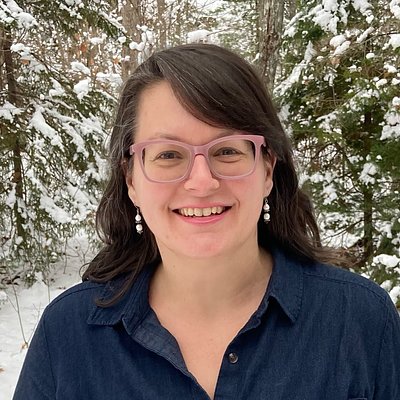
In 2024, Paulina launched her online course and group coaching program, Becoming an Academic Editor (BAE). Over 60 academics enrolled in the first year, and the program continues to grow quickly. In BAE, members discover how to use their existing skills and experience to build a profitable and rewarding academic editing or coaching business that brings them true flexibility and joy. If you’re burned out in academia, know this: You DO have options. If you’re unhappy in academia, the issue isn’t that you’re not good enough, it’s that you are meant for more.
- Visit Paulina’s website https://AcadiaEditing.com/
- The Academic Entrepreneurs Studio https://AcadiaEditing.com/studio/
- Becoming an Academic Editor https://AcadiaEditing.com/BecomeAnEditor/
Jen Polk, PhD
Jennifer Polk, PhD, is a career coach, educator, and recognized expert in PhD careers. She regularly facilitates professional development workshops and delivers keynote presentations at institutions across the US, Canada, and internationally. Jen created her PhD Career Clarity Program to help PhDs navigate their career paths with confidence.
Jen’s writing is published in University Affairs, Inside Higher Ed, The Chronicle of Higher Education, the Globe and Mail, Academic Matters, and in three books. More recently, she was an expert panelist for the 2021 Canadian Council of Academies report, Degrees of Success, on the challenges PhDs face transitioning to employment. Jen served on the board of directors for the Canadian Association for Graduate Studies, and was part of the management committee for a multi-year transborder project about PhD career paths. She earned her PhD in history from the University of Toronto. Find Jen online at From PhD to Life.
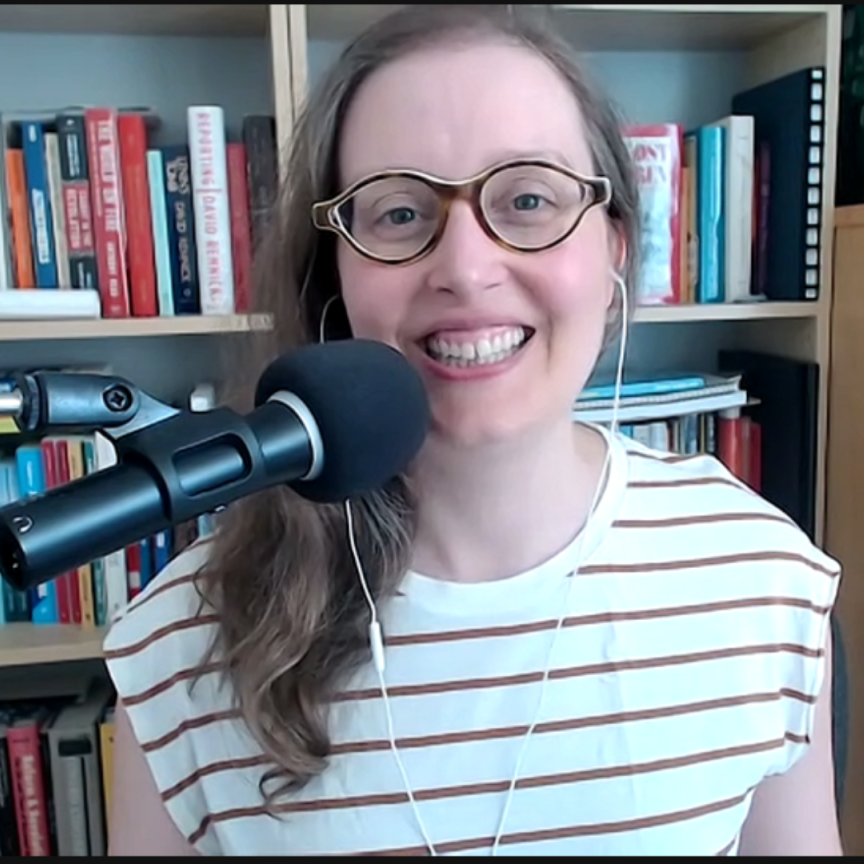
- Visit Jen’s website https://FromPhDToLife.com/
- Free webinar https://FromPhDToLife.com/phd-job-search-help/
- Join Jen’s program, Career Clarity for PhDs https://FromPhDToLife.com/join-the-program/
